
Process automation and robotics in 2024
Automation is the key word in today’s business world. More and more companies are recognizing the importance of automation in order to increase productivity, reduce costs and improve service quality. One of the most interesting aspects of automation is robotic process automation (RPA).
What is RPA?
RPA (Robotics Process Automation) enables companies to automate processes in many applications and systems in the same way humans would. The purpose of RPA is to move process execution from people to systems. These software systems can communicate with internal applications, web pages, user portals and other systems. It is a program that runs on a computer, laptop or mobile device. RPA uses a mix of decryption and user interfaces to interact.
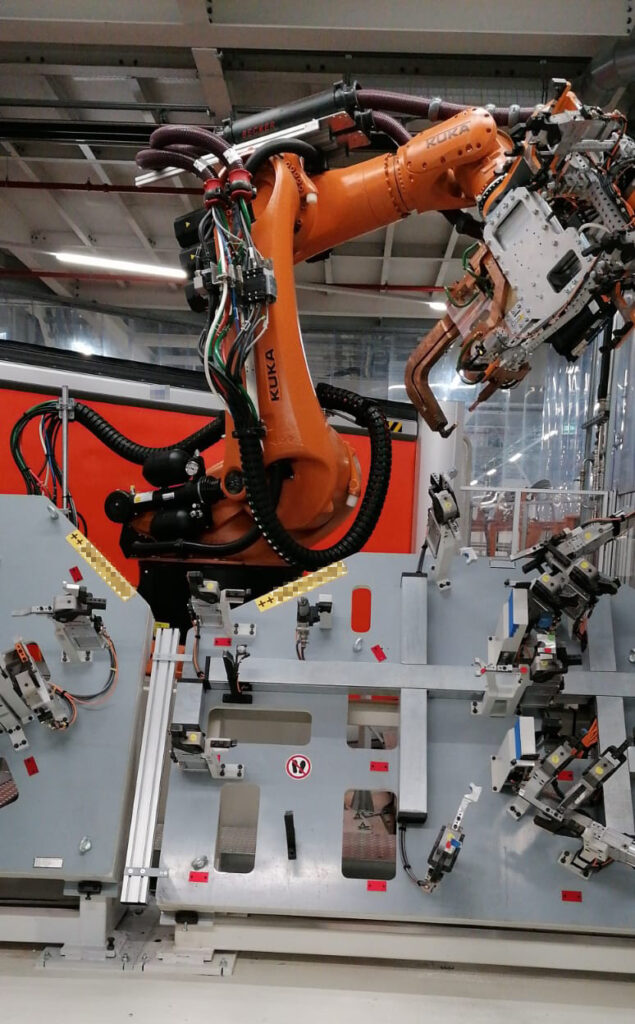
Process automation and robotics 2024 accelerate the transformation of manufacturing through the integration of RPA solutions for administrative flows, collaborative robots for flexible manufacturing and IIoT platforms for predictive maintenance. By combining software automation and physical robotics, companies can reduce errors, shorten processing times and increase line availability. The focus on industrial vision and advanced diagnostics enables better quality control and faster failure detection. The implementation of modular solutions and pilot projects gives a quick return on investment and facilitates scaling. Adjan AutoPro helps with the planning and implementation of these solutions, from initial analysis to full integration into the production process.
How does RPA work?
RPA software tools have the following essential features:
- Automation Scripts: You build them using lighter code-level skills.
- Integration with business software: RPA can access data from legacy systems and integrate with other applications through front-end connectors.
- Configuration, monitoring and security: They are part of the command and control process.
You can learn some of these skills with us, for more visit our Educations, and ask.
Benefits of RPA
- Increasing productivity: Replacing people performing repetitive administrative duties with a virtual workforce.
- Accuracy: Systems complete tasks without errors.
- Speed: RPA speeds up processes.
- Compliance: Consistently applies business rules.
Application of RPA in industry
In manufacturing, RPA can:
- Reduce human labor: Automate invoices and reports.
- Reduce costs: More efficient process management.
- Increase visibility of company performance: Regular reports.
See some of our examples of how we have used RPA in our Projects and Products.
In the future, RPA will continue to change the way companies do business. If you want to improve your business, consider implementing RPA in your processes.